Climate Resilient
Sustainable
Agriculture
Lorem ipsum dolor sit amet, consectetur adipiscing elit. Ut elit tellus, luctus nec ullamcorper mattis, pulvinar dapibus leo.
A Joint Collaboration between IPDC Finance Limited and ActionAid International Bangladesh Society
Climate Resilient Sustainable Agriculture for the Vulnerable Communities in North Bengal
Lorem ipsum dolor sit amet, consectetur adipiscing elit. Ut elit tellus, luctus nec ullamcorper mattis, pulvinar dapibus leo. Lorem ipsum dolor sit amet, consectetur adipiscing elit. Ut elit tellus, luctus nec ullamcorper mattis, pulvinar dapibus leo. Lorem ipsum dolor sit amet, consectetur adipiscing elit. Ut elit tellus, luctus nec ullamcorper mattis, pulvinar dapibus leo. Lorem ipsum dolor sit amet, consectetur adipiscing elit. Ut elit tellus, luctus nec ullamcorper mattis, pulvinar lvinar dapibus leo. Lorem ipsum dolor sit amet, consectetur adipiscing elit. Ut elit tellus, luctus nec ullamcorper mattis, pulvinar dapibus leo. Lorem ipsum dolor cing elit. Ut elit tellus, luctus nec ullamcorper mattis, pulvinar dapibus leo. dapibus leo. Lorem ipsum dolor sit amet, consectetur adipiscing elit. Ut elit tellus, luctus nec ullamcorper mattis, pulvinar dapibus leo. Lorem ipsum dolor cing elit. Ut elit tellus, luctus nec ullamcorper mattis, pulvinar dapibus leo.

|
Project Overview |
|
|---|---|
|
Project Duration |
1st October 2024 – 30th September 2025 |
|
Reporting Period |
October 2024 – March 2025 |
|
Working Areas |
Mogholhat and Kulaghat Unions, Lalmonirhat Sadar Upazila |
Project Activities
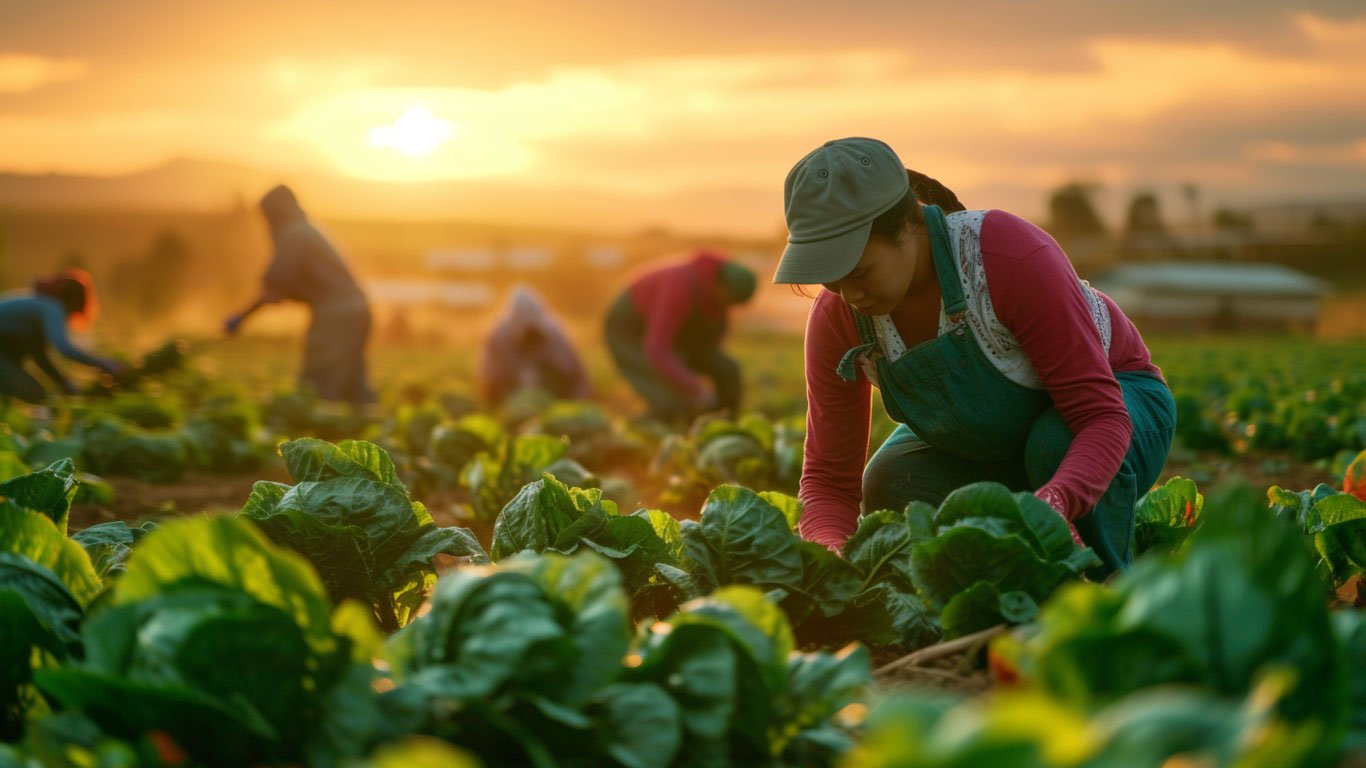
- Provide high high-yielding variety of local seeds to 100 women smallholder farmers, who are the participants of the project, i.e Paddy (bina-7, Ire-16, 29), Bitter Gourd, Bottle Gourd, Water gourd, Corn, Potato, Wheat, Mustard.
- Providing support for installing protective fencing around the garden to 100 participants.
- Production of vermicompost to be used in homestead gardening and sale. The compost will support soil conservation. Here, 70 participants will get support for building a setup on their home, and the 30 most advancing women will get the support from the 3 plants, which will be established, and these 30 women will work via leasing lands for production.
- Use of mulching approach to reduce water consumption.
- Facilitating the land leasing process for 30 most advanced participants from the total pool of 100, to enable largescale production.
- Production of green pesticides to be used in the garden instead of chemical pesticides.
- 4 capacity building training session for all 100 participants on CRSA.
- Support the women's group to link with the market to sell their agreed product via establishing one facility on the established market. This would work as a market corner specialized for women with facilities such as toilet, menstrual hygiene management, breast feeding corner etc.
Summary of Key Activities Implemented
Finalization of Beneficiaries
A participatory selection process was followed to identify and verify 100 interested and eligible women farmers from eight villages
|
SL |
Village Name |
Union |
Members |
Group Name |
|---|---|---|---|---|
|
1 |
Bumka |
Mogholhat |
13 |
Swapner Poth Women Farmers |
|
2 |
Sorkartari |
Mogholhat |
15 |
Muktar Mala Women Farmers |
|
3 |
Itapota-1 |
Mogholhat |
15 |
Sukhtara Women Farmers |
|
4 |
Itapota-2 |
Mogholhat |
11 |
Sukhtara Women Farmers |
|
5 |
Phulgachh |
Mogholhat |
9 |
Mukto Akash Women Farmers |
Training in Climate-Resilient Agriculture
Four day-long training sessions were conducted in January for 100 women farmers. Sessions were facilitated by Mr. Mukul Chandra Sarker and Mr. Alamin Islam, Assistant Agricultural Officers from local government agricultural office. Primarily the topics those were included in the training sessions:
• Bed-based vegetable cultivation
• Vermicompost production
• Bio-pesticide formulation and application
• Organic farming techniques (pheromone traps, poison baiting, etc.)
• Soil fertility management and pest control
Farmers began applying for the training by cultivating vegetables at home using compost and bio-pesticides.
Establishment of 80 Vermicompost Plants
To reduce chemical fertilizer use, 80 selected members received materials to set up vermicompost units at home in February 2025 that included recipients of:
2 rings, 2 tins, and 250g of earthworms per member
Following the successful initial production of vermicompost by a group of women farmers (approximately by 31 women), the positive outcomes inspired and motivated the rest of the participants to adopt the practice. As a result, all selected farmers have now begun regular vermicompost production, which has collectively scaled up to an estimated 1,000 kilograms per month.
Distribution of High-Yielding Seeds and Fencing Support
In March 2025, 100 women farmers received:
- Nine types of vegetable seeds (okra, bottle gourd, yard-long bean, jhinga, leafy spinach, red amaranth, etc.)
- Financial assistance of 700 BDT for fencing to protect garden crops
The distribution events were attended by union chairpersons, local officials, and agriculture officers, who emphasized the importance of sustainability and proper utilization of supports received by the community women. Among the 100 participating women farmers, a number have already begun generating income through the sale of surplus production, following the fulfillment of their household nutritional needs.
18,200 +
Shelters Provided
4.5 M+
Meals Delivered
73,000 +
Emergency Medical Kits
150 +
communities across 22 countries
Challenges Encountered
- Some members initially hesitated to engage in compost production due to discomfort with handling earthworms, along with misconception about the effectiveness of vermicompost in delivering sufficient crop yields compared to traditional chemical fertilizers.
- Ensuring the activation and long-term sustainability of the women’s market corner remains a challenge.
Observations & Learnings
- Community receptiveness: People show growing interest in organic vegetables once benefits are explained.
- Religious conservatism remains a barrier, especially in women’s mobility and public roles.
- Women's potential: Engaging women’s labor and intellect in agriculture significantly advances food security and economic empowerment.
January
Lorem ipsum dolor sit amet, consectetur adipiscing elit. Ut elit tellus, luctus nec ullamcorper mattis, pulvinar dapibus leo.
February
Lorem ipsum dolor sit amet, consectetur adipiscing elit. Ut elit tellus, luctus nec ullamcorper mattis, pulvinar dapibus leo.
March
Lorem ipsum dolor sit amet, consectetur adipiscing elit. Ut elit tellus, luctus nec ullamcorper mattis, pulvinar dapibus leo.

April
Lorem ipsum dolor sit amet, consectetur adipiscing elit. Ut elit tellus, luctus nec ullamcorper mattis, pulvinar dapibus leo.
May
Lorem ipsum dolor sit amet, consectetur adipiscing elit. Ut elit tellus, luctus nec ullamcorper mattis, pulvinar dapibus leo.
June
Lorem ipsum dolor sit amet, consectetur adipiscing elit. Ut elit tellus, luctus nec ullamcorper mattis, pulvinar dapibus leo.
July
Lorem ipsum dolor sit amet, consectetur adipiscing elit. Ut elit tellus, luctus nec ullamcorper mattis, pulvinar dapibus leo.
August
Lorem ipsum dolor sit amet, consectetur adipiscing elit. Ut elit tellus, luctus nec ullamcorper mattis, pulvinar dapibus leo.
September
Lorem ipsum dolor sit amet, consectetur adipiscing elit. Ut elit tellus, luctus nec ullamcorper mattis, pulvinar dapibus leo.
October
Lorem ipsum dolor sit amet, consectetur adipiscing elit. Ut elit tellus, luctus nec ullamcorper mattis, pulvinar dapibus leo.
November
Lorem ipsum dolor sit amet, consectetur adipiscing elit. Ut elit tellus, luctus nec ullamcorper mattis, pulvinar dapibus leo.
December
Lorem ipsum dolor sit amet, consectetur adipiscing elit. Ut elit tellus, luctus nec ullamcorper mattis, pulvinar dapibus leo.